





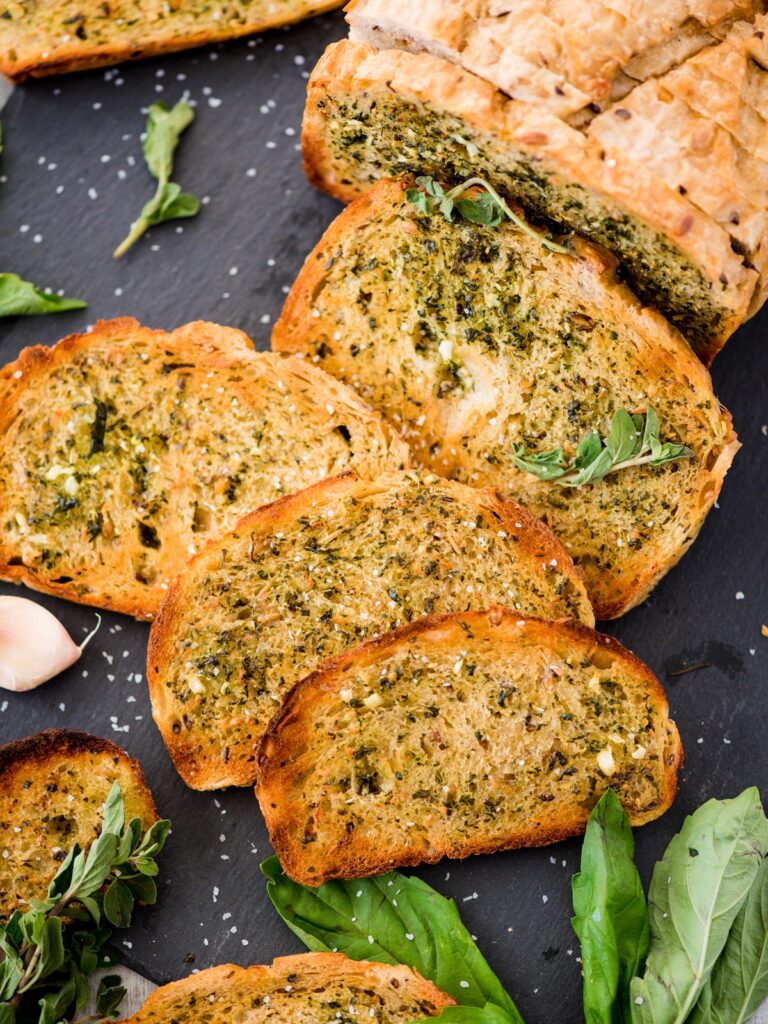
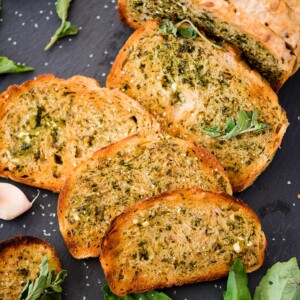
You don’t need a loaf of French bread to get buttery garlic bread with crisp edges and a soft middle. Regular sliced bread works really well here, especially once it’s covered edge to edge with fresh garlic and herb butter. This is the garlic bread to make with whatever bread you already have sitting in the pantry.
I’ve made this garlic bread with butter bread, plain white bread, wheat bread, potato bread, sourdough, and different loaves from the bakery section at H-E-B. They all work. The bread choice changes the texture a little, but you don’t need to buy a specific loaf just to make good garlic bread.
What matters more is paying attention to the thickness of the slice. Thin sandwich bread gets crisp faster, while sourdough and thicker bakery bread stay softer through the middle. I don’t rely completely on the timer for that reason. Once the edges are golden and the butter has melted into the top, it’s ready.
The bread can change, but the garlic butter stays the same. Fresh garlic, herbs, salt, and pepper are mixed through the butter, so even a plain slice of white bread tastes like genuinely good garlic bread.
That was my goal here. Use the bread you already have, but still end up with garlic bread that tastes really dang good.
Why You’ll Love This Garlic Bread
- Regular sliced bread works. White sandwich bread, thicker sliced bread, and bakery loaves can all be used.
- The center stays soft. A short bake at 400°F toasts the edges without drying the whole slice out.
- Fresh garlic and herbs season the entire slice. The butter is mixed first so you don’t end up with one bite of garlic and another that’s mostly plain butter.
- You can make it as crisp as you like. Six minutes gives it a light toast, or a very short trip under the broiler will brown the top further.
Ingredients for Garlic Bread with Sliced Bread
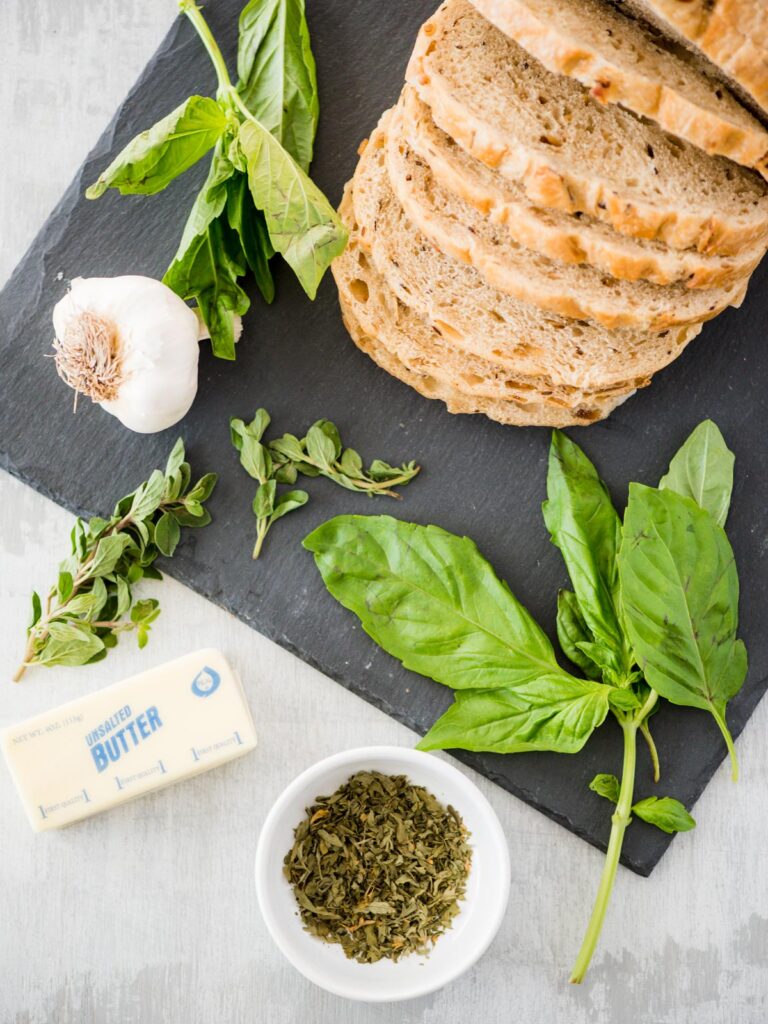
Bread: Regular sliced sandwich bread works just fine. White bread, wheat bread, thick-cut sandwich bread, French bread, sourdough, and bakery loaves can all be used. Thicker sliced will stay softer in the middle.
Butter: I use unsalted butter so that I can control the salt myself. Make sure it’s softened enough to spread without tearing softer sandwich bread.
Fresh garlic: Fresh garlic gives the butter a stronger garlic flavor than garlic powder alone.
Fresh oregano: Oregano gives the garlic butter a savory, herby flavor. Fresh works especially well here because everything gets blended together.
Fresh basil: Basil is a little softer than the oregano and works well with pasta dishes where you’re most likely to serve this.
Dried parsley: I use dried parsley here along with the fresh herbs. It disperses easily throughout the butter mixture.
Black pepper: You don’t need much, but it keeps the butter from tasting flat.
Kosher salt: Since I start with unsalted butter, I season the garlic butter myself so the whole slice is seasoned instead of relying on salted butter alone.
What Bread Can I Use for Garlic Bread?
You can absolutely make garlic bread with regular sliced bread, and you don’t need French or Italian bread for this recipe.
The biggest difference between breads is going to be the finished texture.
Regular white sandwich bread gets fairly crisp around the edges and stays softer where the butter soaks into the center.
Thick sliced bread or Texas toast bread gives you more contrast between the toasted outside and soft middle.
Sourdough or bakery bread has a chewier texture and can handle slightly more garlic butter.
French bread works too. If you’re using a loaf rather than individual slices, cut it in half and spread the butter over the cut surface.
Use the bread you actually like eating. Just keep an eye on thinner slices because they’ll brown more quickly than a thick bakery loaf.
How to Make Garlic Bread with Regular Bread
Detailed instructions and measurements are listed in the recipe card at the bottom of this page.
- Preheat oven to 400°F
- Add the softened butter, garlic, oregano, basil, parsley, black pepper, and kosher salt to a food processor. Pulse until the mixture is smooth and the garlic and herbs are evenly distributed.
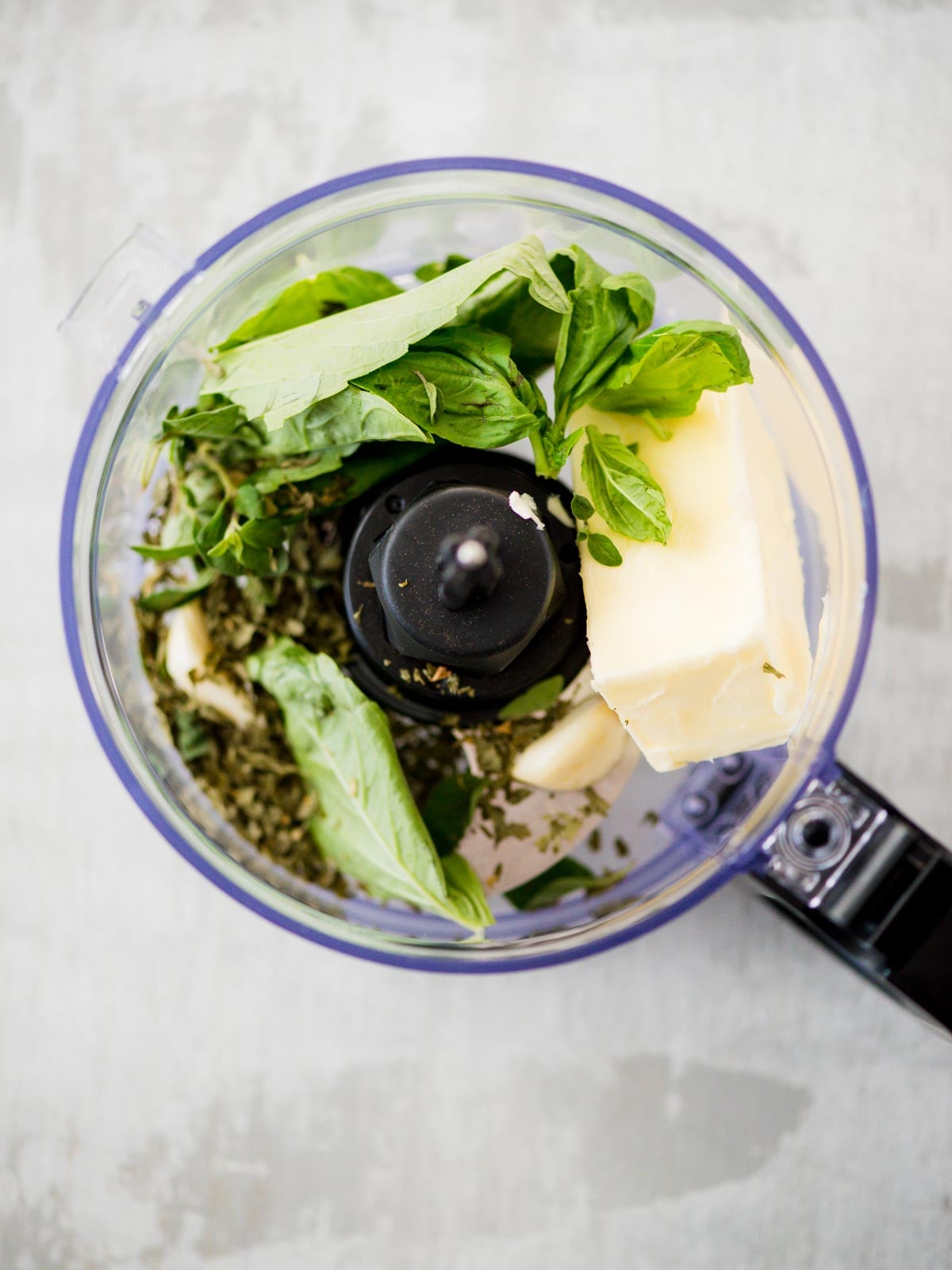
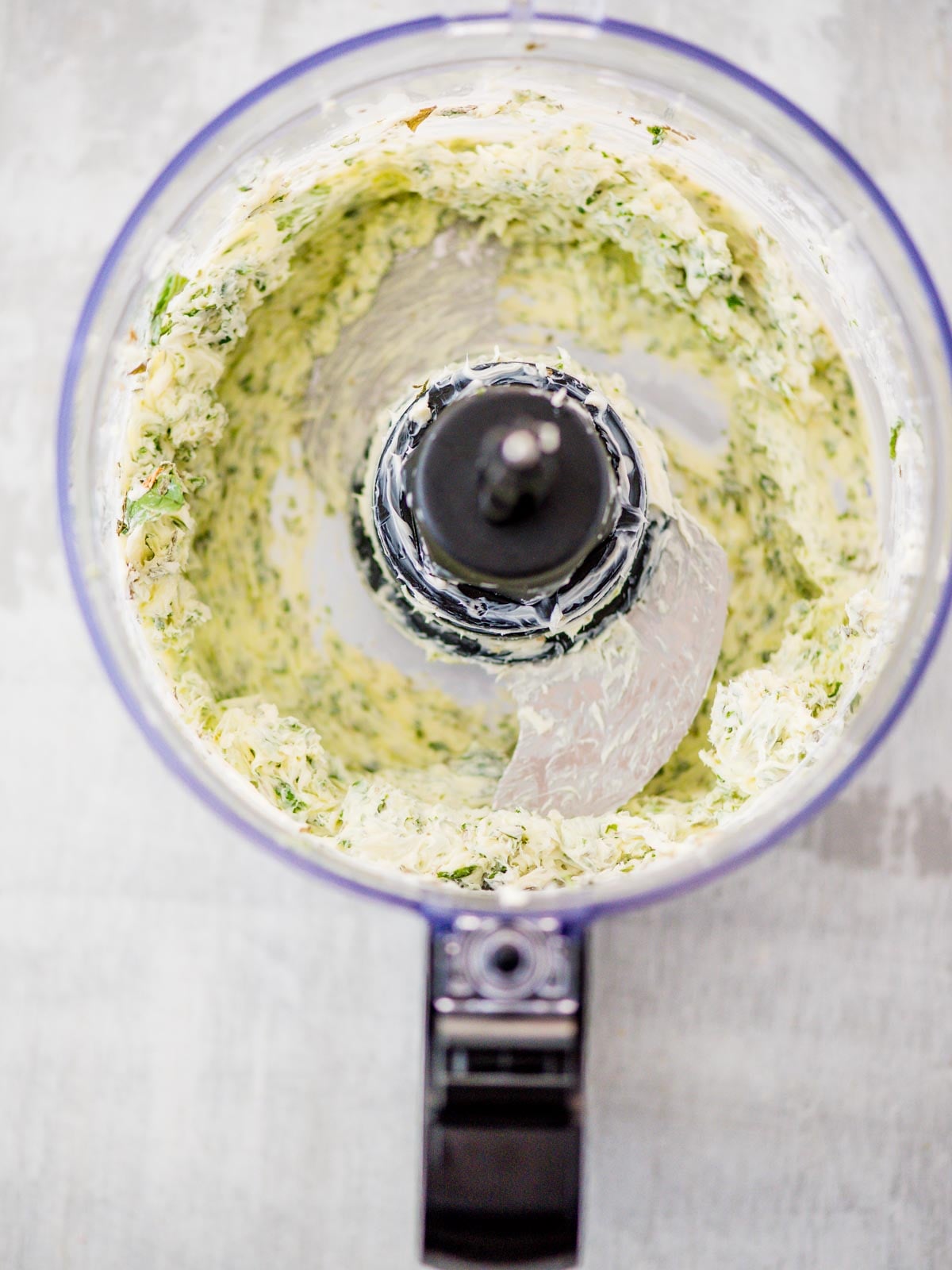
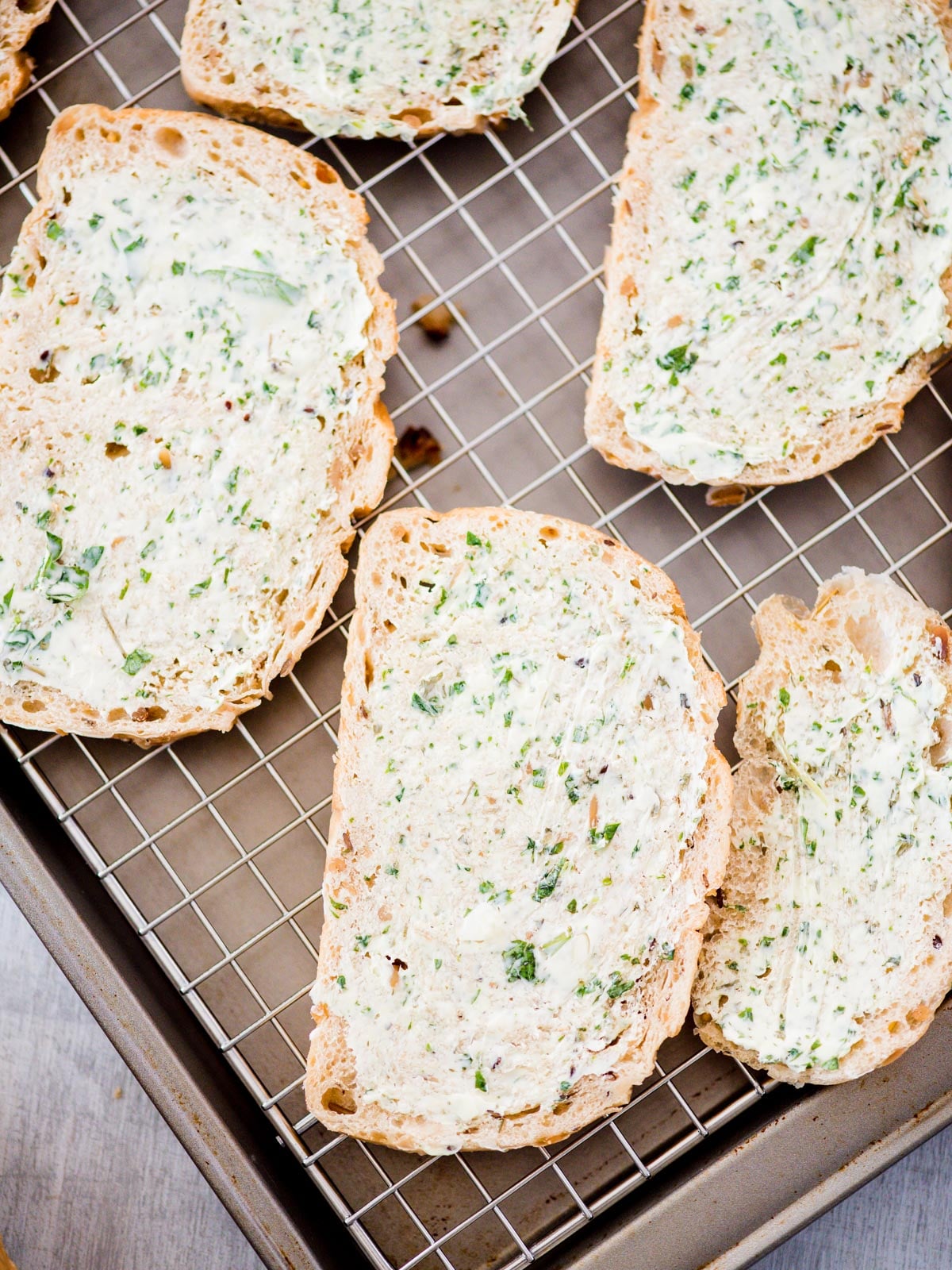
- Cover each slice with an even layer of garlic butter. Take it nearly to the edges, but don’t pile it on too thick or the bread will have a harder time toasting.
- Arrange the bread on a baking sheet and bake for 6 minutes, or until the edges are beginning to brown.
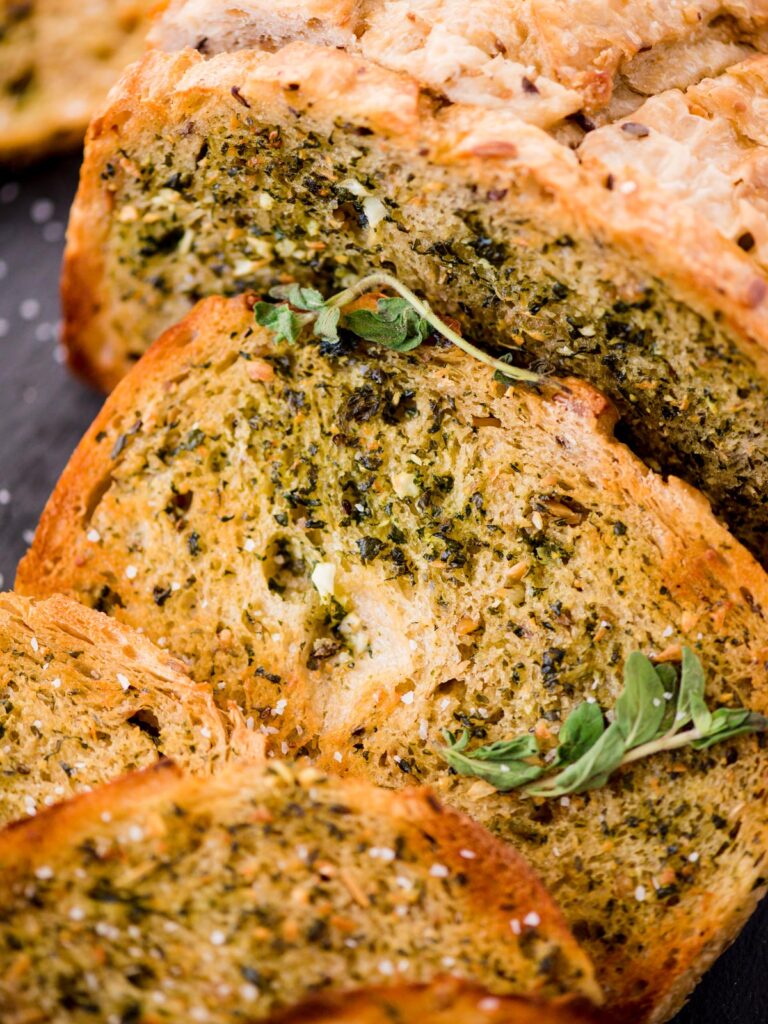
- For darker, crispier garlic bread, place it under the broiler briefly. Stay right beside the oven. Bread can go from lightly browned to burned very quickly under a broiler.
- Serve it warm. I like a little extra coarse kosher salt over the top right after it comes out of the oven.
Kara’s Tips
- Let your butter soften before you start. This matters even more when you’re using regular sandwich bread. Cold butter will tear and mash a soft slice before you ever have a chance to get it in the oven.
- Don’t judge every bread by the six-minute mark. A thin slice of white bread will toast faster than a thick slice from the bakery. Start checking around six minutes and let the color of the edges tell you when it’s ready.
- Keep the garlic butter layer fairly thin. You want full coverage, not a thick blanket of butter. Too much keeps the top from toasting and can make the bread greasy.
- Use the broiler for color, not cooking. Get the bread hot and toasted in the oven first. The broiler is just for another 30 to 60 seconds of browning if you want it.
What to Serve with Garlic Bread
Garlic bread belongs next to anything with enough sauce or broth that lets you drag a piece through the bottom of the bowl to scoop it up.
Try it with:
- Creamy Garlic Shrimp with White Sauce
- Cajun Shrimp Alfredo
- Pasta Fagioli
- Basil Garlic Alfredo
- Instant Pot Ground Beef and Pasta
It’s also an easy side for spaghetti night, lasagna, baked pasta, soup, or stew.
Make Ahead
The garlic butter can be made up to 3 days ahead and kept covered in the refrigerator. Let it soften again before trying to spread it over soft sliced bread.
You can also assemble the bread a few hours before dinner. Keep it refrigerated until you’re ready to bake it.
How to Store Garlic Bread
Refrigerator
Let leftover garlic bread cool, then store it in an airtight container in the refrigerator.
Freezer
For garlic bread that hasn’t been baked yet, spread the garlic butter over the bread and wrap it well or place it in a freezer-safe bag. Freeze for up to 3 months.
Bake it directly from frozen at 400°F, adding a few extra minutes as needed until it’s hot and beginning to toast.
You can also freeze already baked garlic bread once it’s completely cooled.
How to Reheat Garlic Bread
Reheat the garlic bread at 350°F for about 5 to 8 minutes, until heated through and crisp again.
If you’d like more browning, put it under the broiler for 30 to 60 seconds at the end.
I wouldn’t use a microwave unless you’re in a hurry. It heats the bread, but you’ll lose the crisp edges that make it good.
Garlic Bread FAQs
Yes. The flavor won’t be quite the same, but garlic powder works when that’s what you have. For the three fresh garlic cloves in this recipe, use about 1½ teaspoons garlic powder.
Yes. Mince the fresh garlic and herbs very finely, then stir them thoroughly into very soft butter along with the parsley, salt, and pepper. The food processor simply makes it quicker to get the garlic and herbs distributed evenly.
There are usually two culprits: too much butter or bread that’s especially thick. Use an even but fairly thin layer of garlic butter, then give thick bread a little more oven time. If it’s hot but still needs color, finish it briefly under the broiler.
More Bread Recipes
- Super Simple Garlic Knots
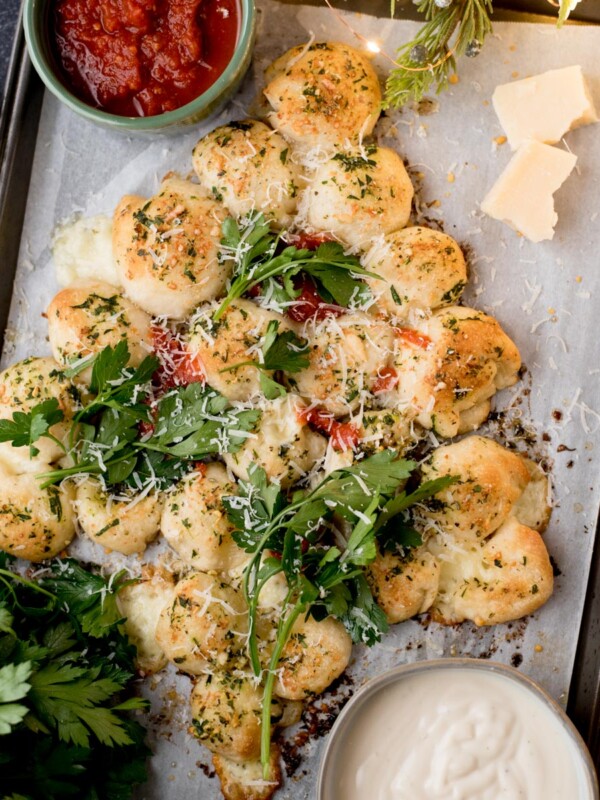
- Christmas Tree Pull Apart Bread
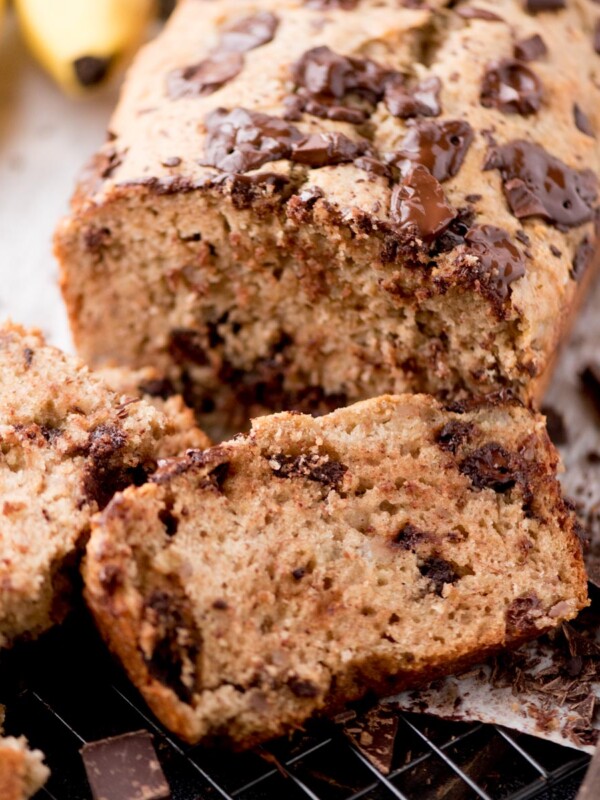
- Old Fashioned Banana Bread Recipe
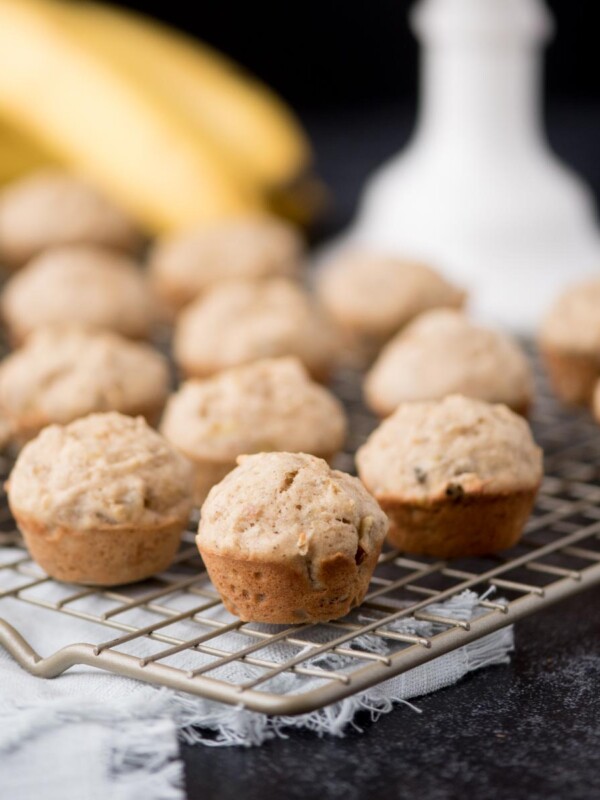
- Banana Nut Bread Mini Muffins
Pin this now to find it later
Pin It
Garlic Bread with Sliced Bread
Ingredients
- 12 slices bread use your favorite loaf
- ½ cup unsalted butter softened
- 3 cloves fresh garlic
- 1 tablespoon fresh oregano
- 1 tablespoon fresh basil
- 1 tablespoon dried parsley
- ¼ teaspoon fresh ground black pepper
- 1 teaspoon kosher salt
Instructions
- Preheat the oven to 400°F.
- Add the softened butter, garlic, oregano, basil, parsley, black pepper, and kosher salt to a food processor. Pulse until smooth and well combined.½ cup unsalted butter, 3 cloves fresh garlic, 1 tablespoon fresh oregano, 1 tablespoon fresh basil, 1 tablespoon dried parsley, ¼ teaspoon fresh ground black pepper, 1 teaspoon kosher salt
- Spread the garlic butter evenly over the bread slices, taking it close to the edges.12 slices bread
- Arrange the bread on a baking sheet and bake for about 6 minutes, or until the edges are beginning to brown.
- If you want the tops a little darker and crispier, place the bread under the broiler for up to 1 minute, watching it closely so it doesn't burn.
- Remove from the oven and serve it warm. I like to sprinkle a little extra coarse kosher salt over the top right after it comes out of the oven.
Notes
- Bread: This works with regular white bread, wheat bread, butter bread, potato bread, sourdough, or thicker bakery bread. Thinner slices will toast faster.
- Butter: Make sure the butter is softened before spreading so you don’t tear softer sandwich bread.
- Broiling: If you broil the bread at the end, stay right by the oven. It can go from golden to burned very quickly.
- Make ahead: The garlic butter can be made up to 3 days ahead and refrigerated. Let it soften before spreading.
- Freezing: Assemble the garlic bread, freeze it unbaked, and bake straight from frozen at 400°F, adding a few extra minutes as needed.
Nutrition
Nutrition information is automatically calculated, so should only be used as an approximation.










I just made this with the sandwich bread I had in my pantry and it worked amazing!